Loading content...

Loading content...
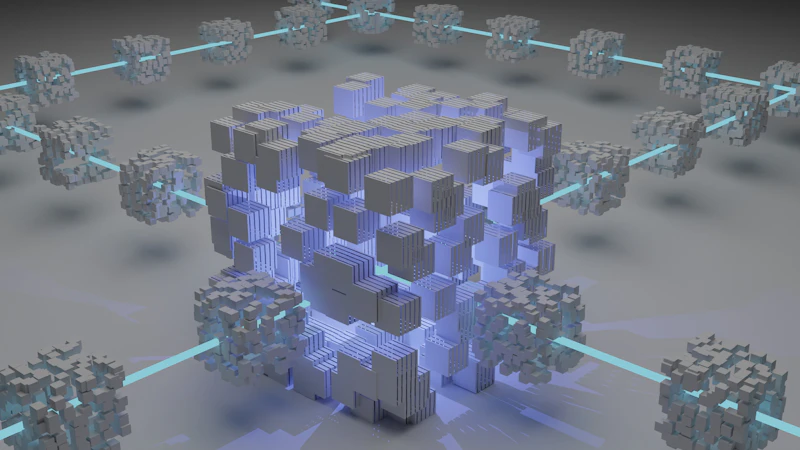
A mathematical and conceptual guide to Zero-Knowledge Proofs (ZKPs). Compare ZK-SNARKs and ZK-STARKs and understand their impact on decentralized privacy and secure identity.
A Zero-Knowledge Proof (ZKP) is a cryptographic method by which one party (the prover) can prove to another party (the verifier) that a given statement is true, without conveying any information apart from the fact that the statement is indeed true. The classic example is proving you know a password without actually revealing the password itself.
A cryptographic protocol must satisfy three requirements to qualify as a ZKP:
Two dominant constructions in modern privacy-preserving applications are:

Real-World Applications: ZKPs are now widely deployed in decentralized systems, anonymous transactions, and secure identity systems where users verify attributes (like age or citizenship) without disclosing their personal raw data.
In blockchain ecosystems, ZK-Rollups bundle thousands of off-chain transactions into a single batch. A ZK-SNARK proof is generated representing the correctness of all these transactions. The smart contract on the main network only needs to verify the tiny validity proof rather than processing each individual transaction, scaling throughput by orders of magnitude while preserving complete security.