Loading content...

Loading content...

CVE breakdowns, lab walkthroughs, and security research from CIC members.
 data-breach
French supermarkets heated to 50°C, 11 million Burger King Japan records, SBI customer data on the dark web, and a SafePay ransomware advisory. The human side of Black October.
 ai-security
About 100 companies were breached by an attacker running AI agents for roughly $50 each. We look at the Cairn campaign, the CrowdStrike findings and what AI-driven offence means for defenders.
 cloud-security
Railway, Zeabur, ConnectWise and OpenCode all lost customer credentials in October 2026. What went wrong, and how to design so one platform breach does not become yours.
 supply-chain
A trojanised PyPI package, a hijacked CLI release and a WordPress plugin key abuse hit developers in one week. How each attack worked and how to harden your pipeline.
 CVE
Two critical PHP flaws allow unauthenticated code execution on servers running PHP 5.4 and later. Learn how exploitation exploded within hours, what is patched, and how to protect your sites.
 black-october
In 48 hours in October 2026, PHP2Shell, a poisoned LiteLLM release, a GitLab 10.0 flaw and a string of cloud breaches landed together. Here is what actually happened and what it means.
 iot-security
A practical walkthrough of IoT firmware reverse engineering. Learn to extract filesystems using Binwalk and emulate target binaries using QEMU.
 honeypots
Build an active defense mechanism. Learn how high-interaction honeypots and honeytokens can detect intruders, trace exploitation paths, and gather threat intelligence.
 windows
Delve into Windows kernel space. Learn how to configure host-to-guest debugging using WinDbg/KDNET and identify low-level hooks and stealthy rootkits.
 api-security
Microservices and APIs are key targets for attacks. Learn how Broken Object Level Authorization (BOLA) and Mass Assignment vulnerabilities occur, and how to defend against them.
 cryptography
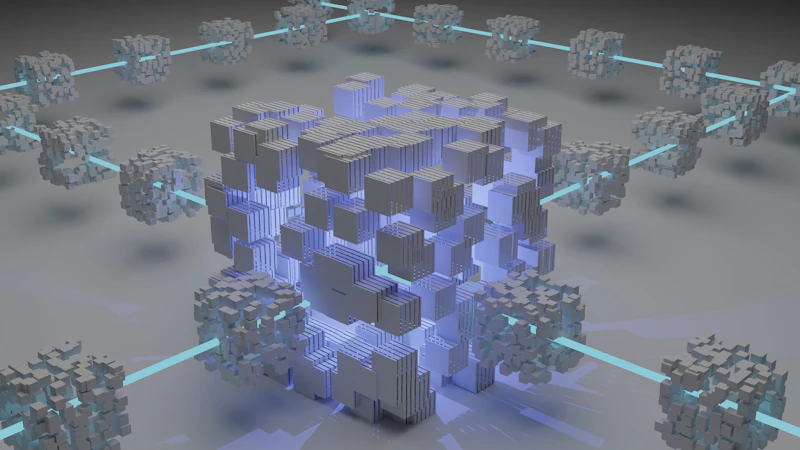
A mathematical and conceptual guide to Zero-Knowledge Proofs (ZKPs). Compare ZK-SNARKs and ZK-STARKs and understand their impact on decentralized privacy and secure identity.
 active-directory
Abusing Active Directory Certificate Services (AD CS) and key credential links. Learn how modern red teams utilize Shadow Credentials and Golden Certificates for persistent domain access.